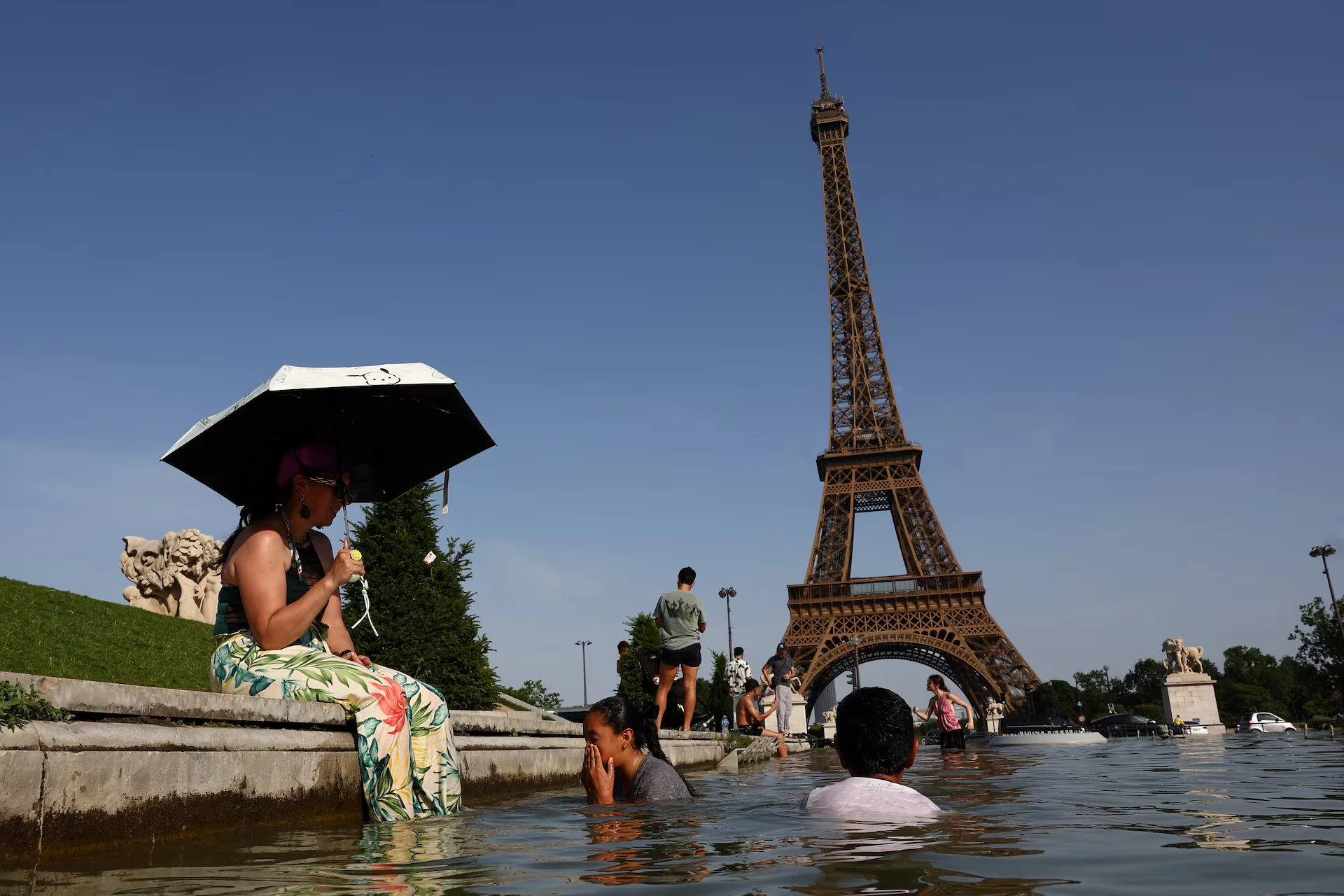
Summer 2026
Summer is increasingly becoming a season of economic strain. The heat alters the rhythm of cities, consumer behavior, and business plans: people spend more on water, cooling, transportation, recreation, and essential goods.
The energy sector feels this most acutely. Air conditioners, refrigeration equipment, retail chains, and offices drive up energy consumption, and any disruption in the power grid quickly becomes a problem for services, logistics, and small businesses.
For the agricultural sector, the heat wave poses risks to crops, causes moisture shortages, makes irrigation more expensive, and leads to more complex price dynamics. If the drought drags on, its consequences spill over from the fields to store shelves.
Tourism, retail, the labor market, delivery services, utilities, and healthcare are operating under increased strain.
The heat wave is a test not only for people but also for infrastructure. Summer brings seasonal demand and additional revenue, but at the same time exposes the economy’s vulnerabilities: energy, water, prices, transportation, and the resilience of urban life.
Описание темы
The summer heat has long since ceased to be merely a matter of the weather. It is changing consumption patterns, straining the energy sector, and affecting prices, the agricultural sector, tourism, and the functioning of cities.
Опубликовано материалов: 1